Why was Cohiban Fire the original working title, and what did “fire” represent to you at that stage of the collection?
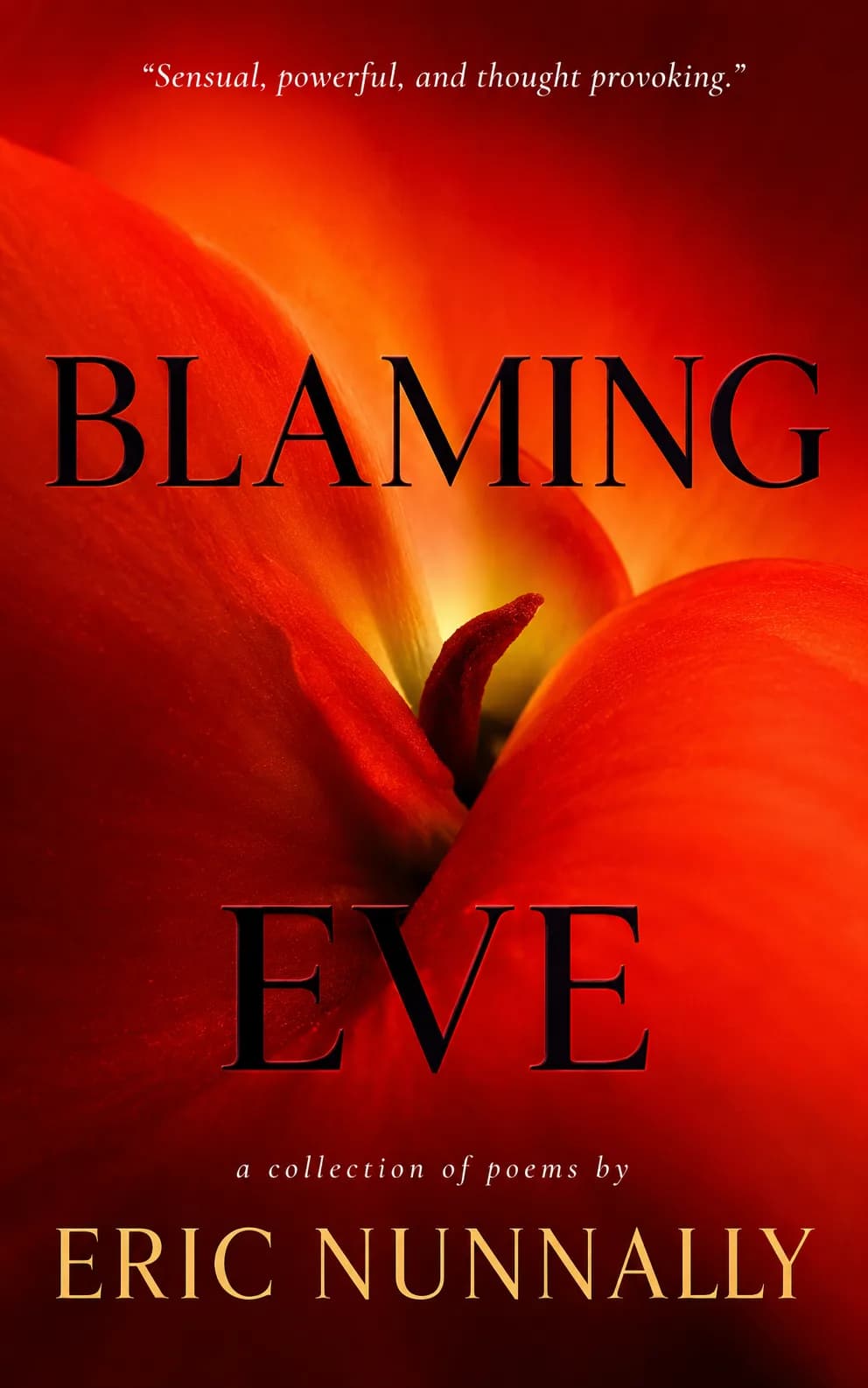
The simplest answer is that I liked the sound of Cohiban Fire and everything the phrase conjured for me: the crackle at the end of a cigar as someone inhales, its ember glowing in the dark; a woman in a sundress and head scarf dancing before a fire; moonlight falling over a cove of jet-black sand; light moving across the water; and the luxury of lingering over the thought of passion and intimacy before acting upon it.
Now that I think about it, the book was originally going to be a collection of passion poems, erotic poems, and poems built around an intimate, almost voyeuristic form of observation. That was where my imagination lived at the time, and I enjoyed writing in that register. The initial ambition was unapologetically seductive. I wanted the poems to raise the temperature, to make readers restless, to give them a kind of fever. It may have been adolescent in some respects, but it was honest to where I was then.
At that stage, “fire” meant desire—particularly desire charged with anticipation. It was not merely the act of intimacy but the atmosphere before it: suggestion, restraint, fantasy, danger, and the imagination warming itself around possibility.
But as I began assembling the collection, my perspective widened. Life was speaking to me beyond that original framework. Other observations wanted a voice: questions about faith, identity, women, masculinity, society, responsibility, and truth. I began incorporating those pieces, and gradually it became clear that the book needed sections. What had started as a relatively narrow collection of sensual poems was becoming something more expansive, more mature, and more critical.
As the book grew, the meaning of “fire” grew with it. It still represented passion and eroticism, but it also came to mean curiosity—the impulse to question what I had been told. It became the fire of seeking truth, testing inherited ideas, and bringing hidden things into the light. Experience provided the kindling. Reflection fed the flame. At times, the result was revelation.
Eventually, that fire settled into something quieter. Not extinguished, but transformed: less concerned with heat for its own sake and more interested in illumination. What began as erotic fire became intellectual, spiritual, and emotional fire, and finally something closer to wisdom—the steadier warmth produced by looking at life through many perspectives and allowing each of them to alter the way I understood the others.